QxBio 2026 — Sep 24–26 · San Jose

Impact · 2021 — 2025

In science we unite, in health we grow.

PHP invests at the frontier — where the research is early, the partnerships are new, and results are never guaranteed. The numbers below are the outcome of staying committed long enough for compounding returns to develop.

By the Numbers

Impact at a glance

Every figure below is a decision made before the outcome was certain.

$0M+

Committed to UT Austin · JCOC

$0M+

Stanford research investments

$0k

Disbursed via FFE · 32 scholars

0+

Scientists Networked · PHCCO

0+

Peer-reviewed publications

0+

Students & teachers · OSAAT

0K+

Aspire Alumni · 190+ countries

0

Pediatric surgeries · Heart to Heart

0+

Active global partnerships

Five Years · One Journey

From a founding commitment to a global ecosystem

PHP's story from 2021 to 2025 is not one of linear growth. It is one of compounding conviction. Each investment opened the door to the next.

  1. 2021

    Foundation and First Commitment

    PHP is co-founded as a 501(c)(3) by Dheeraj and Swapna Pandey. Inaugural commitment: $10 million to the University of Texas at Austin, bringing together Dell Medical School, the Oden Institute, and Computer Science in the Joint Computational Oncology Collaboration (JCOC) — an architecture that did not previously exist.

  2. 2022

    Expanding to Education and Health

    PHP broadens its portfolio. The Foundation for Excellence (FFE) partnership launches, supporting 32 scholars (72% from rural backgrounds) with $101k disbursed. PHP partners with Heart to Heart Foundation, funding 30 pediatric heart surgeries and supporting 5 rural medical students.

  3. 2023

    Going Global: India and Stanford

    PHP establishes the Param Hansa Centre for Computational Oncology (PHCCO) at IISc Bengaluru with a $1M commitment. Collaboration with Stanford's Bio-X deepens. A perspective article by PHP-supported researchers enters review at Cell.

  4. 2024

    Infrastructure and Network Growth

    A workshop at IIT Patna, combined with the new OSAAT partnership in Bihar, expands the PHCCO network to 2,300+ scientists. The JCOC launches a Center for Computational Medicine at UT Austin. OSAAT smart classrooms reach 700+ students and teachers.

  5. 2025

    Clinical Milestones and Global Scale

    PHP initiates the $1.5M MITI first-in-human clinical trial at Stanford in October — the first time PHP-supported research reaches a patient. By November, 10+ active global partnerships are established. The network built over five years is producing clinical outcomes.

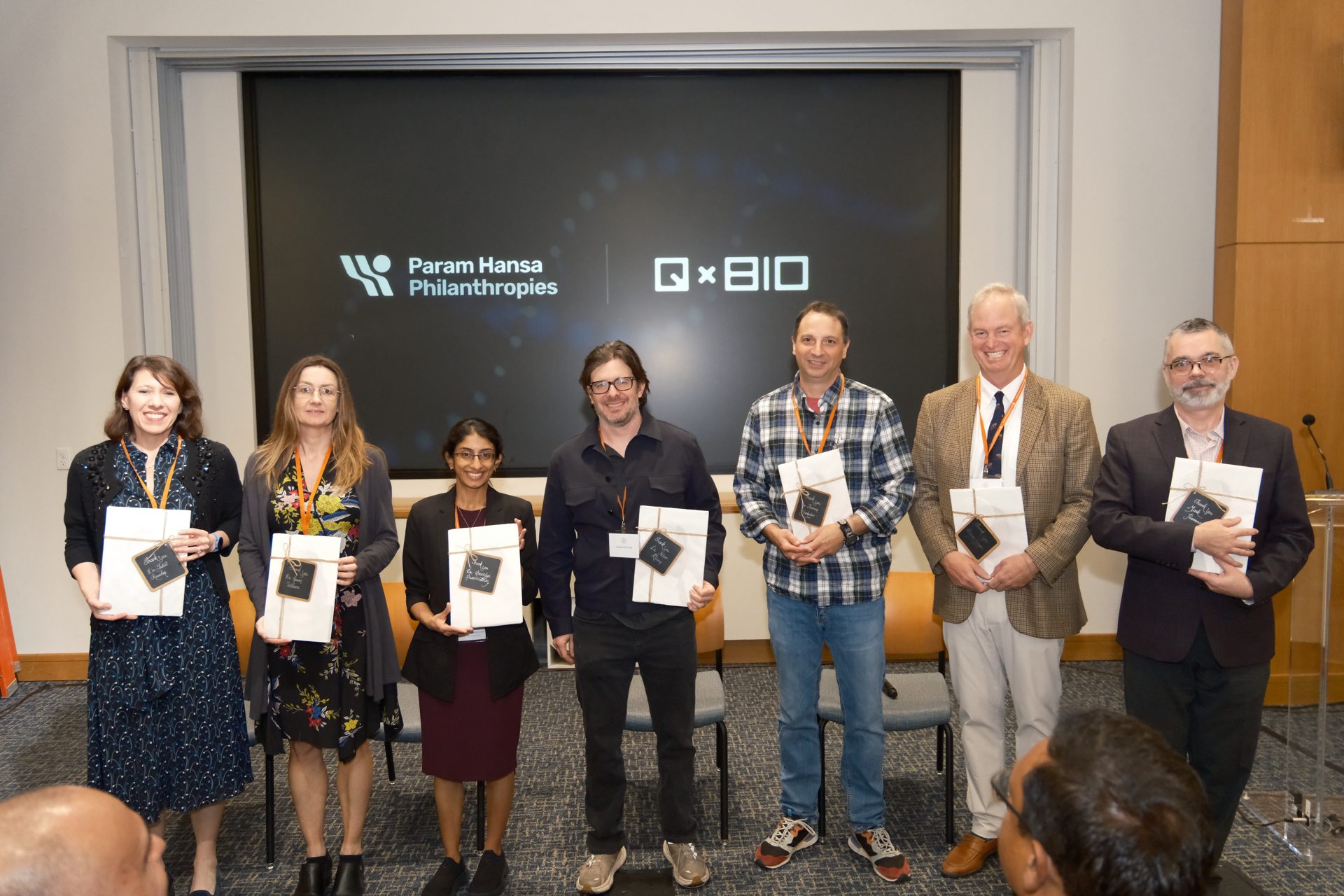
QxBio 2025 speakers group photo

QxBio 2025 Symposium — Speakers & Researchers

Three Stories of Impact

Data points describe outcomes. Stories explain how those outcomes happened.

Case Study 01

The $10M Bet That Built an Ecosystem

What happens when a philanthropic commitment is structured not as a grant, but as a catalyst?

When PHP committed $10 million to UT Austin in 2021, the goal was not to fund existing research. It was to create conditions for research that could not yet exist, by connecting disciplines that had never been formally linked. The JCOC brought together the Dell Medical School, the Oden Institute, and Computer Science under one collaboration. Within two years: a machine learning lab was operational, the first patent on imaging-based tumor tracking was published, and PHP's first postdoctoral fellow was in the lab. By 2024, external funders had followed.
University of Texas, Austin

Dell Medical School · Oden Institute · JCOC

Case Study 02

Not a Machine. A Research Culture.

What does it mean to change what a student believes she is capable of?

Before PHP's partnership with The Harker School, no US high school had a 10,000-gene sequencer. Installing the Illumina NextSeq 1000 required a new HVAC system, specialized refrigeration, and custom electrical upgrades. PHP and Harker were not installing a demonstration model — they were building a working research laboratory. Students used the equipment, chose their own projects, and presented at the Harker Research Symposium. The teacher training program ensures this is not a one-generation investment.

The Harker School

San Jose, California

Case Study 03

From Standing Start to Global Network

What does it take to build a world-class research center from a standing start?

PHCCO was established at IISc Bengaluru in November 2023 with $1 million. In under two years: 18+ publications in leading journals, international recognition at conferences, and a global network of 2,500+ scientists. PHCCO was deliberately structured to train scientists, not just to employ them. Its research focus — predictive models of cancer progression, metastasis, and relapse — was chosen for its direct relevance to the cancer burden faced by Indian patients. PHP's investment here is a proof of concept the foundation intends to replicate across India.

PHCCO at IISc

Bengaluru, India

Community

People behind the science

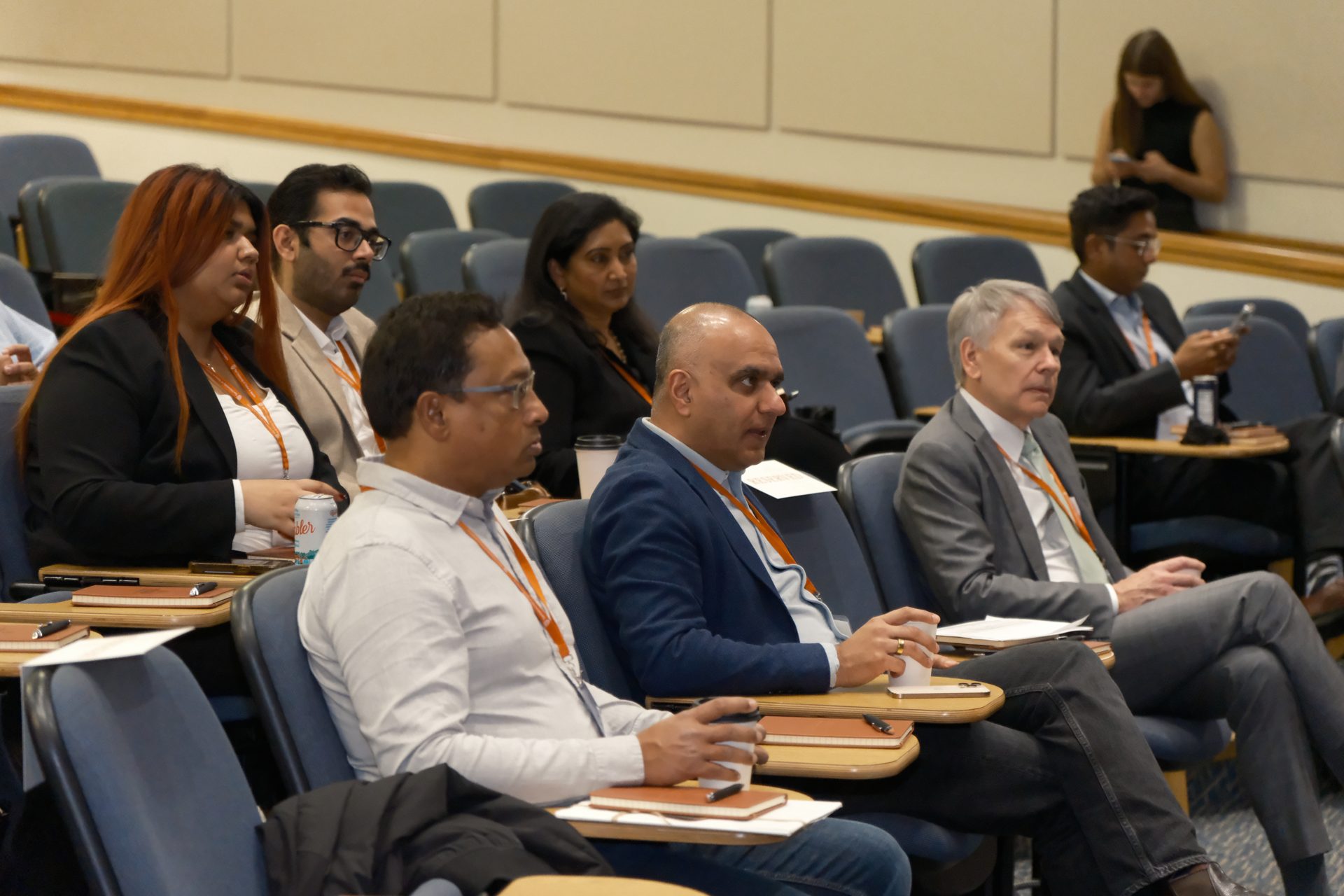
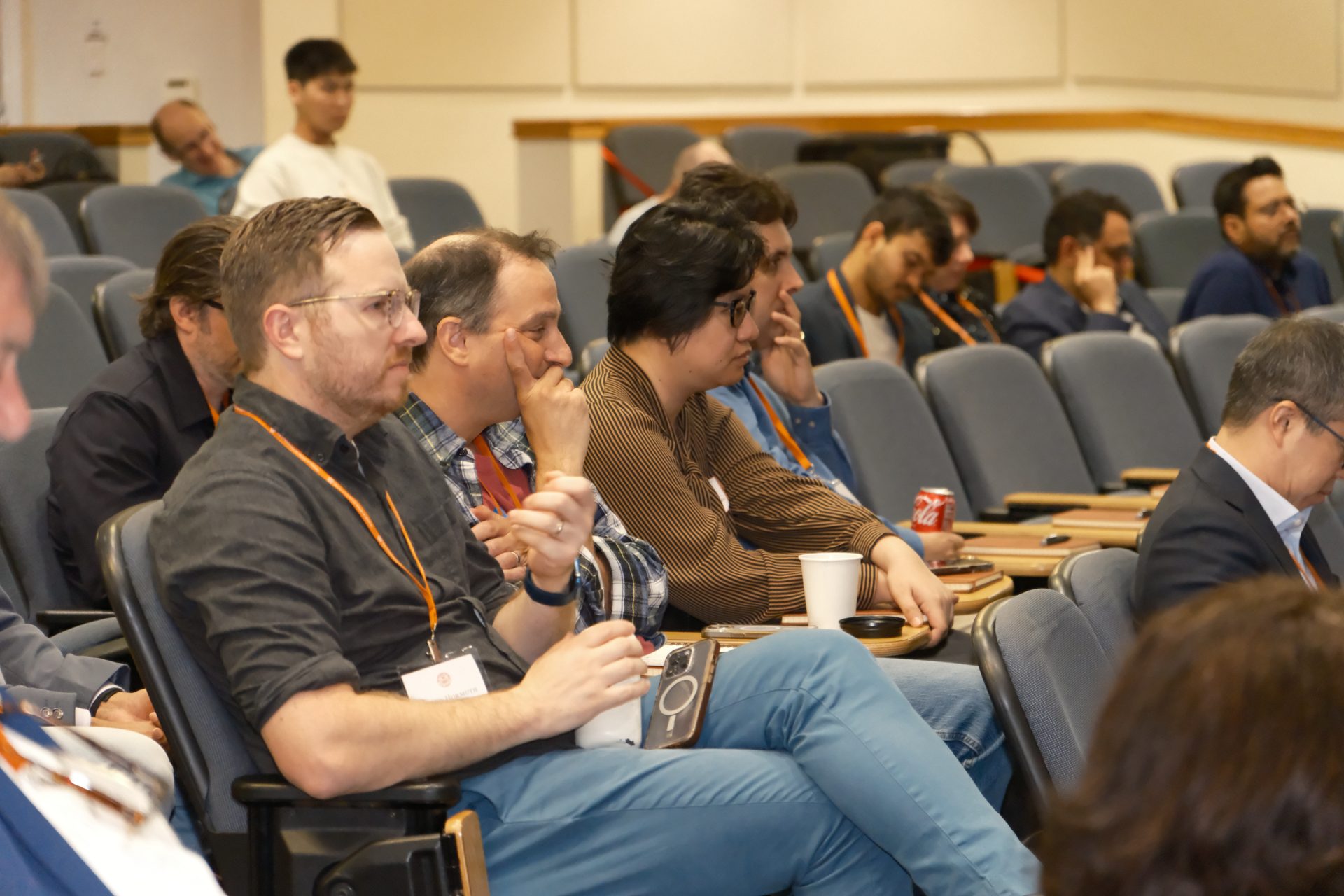
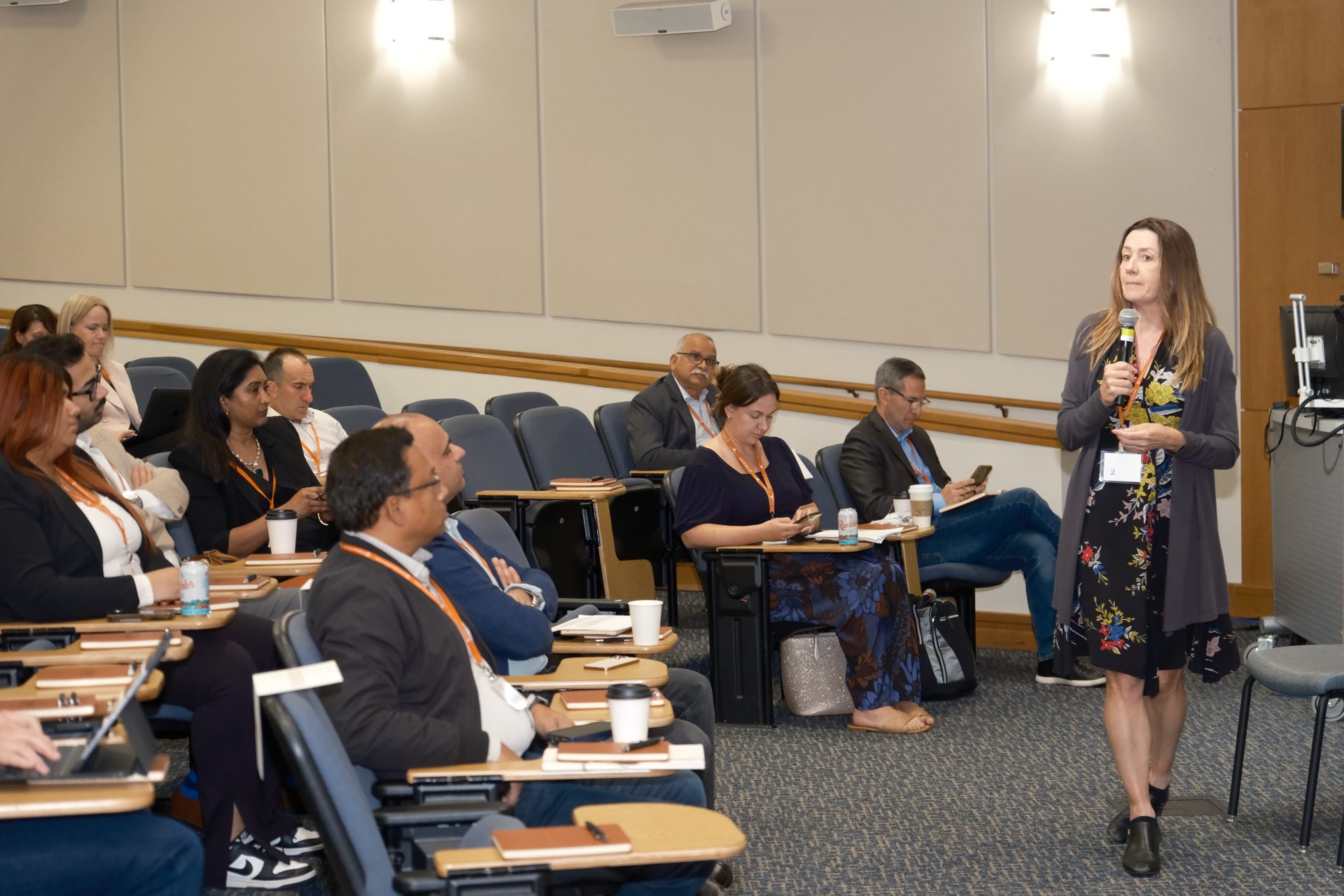
Audience at QxBio
Dr. Karen Wilcox
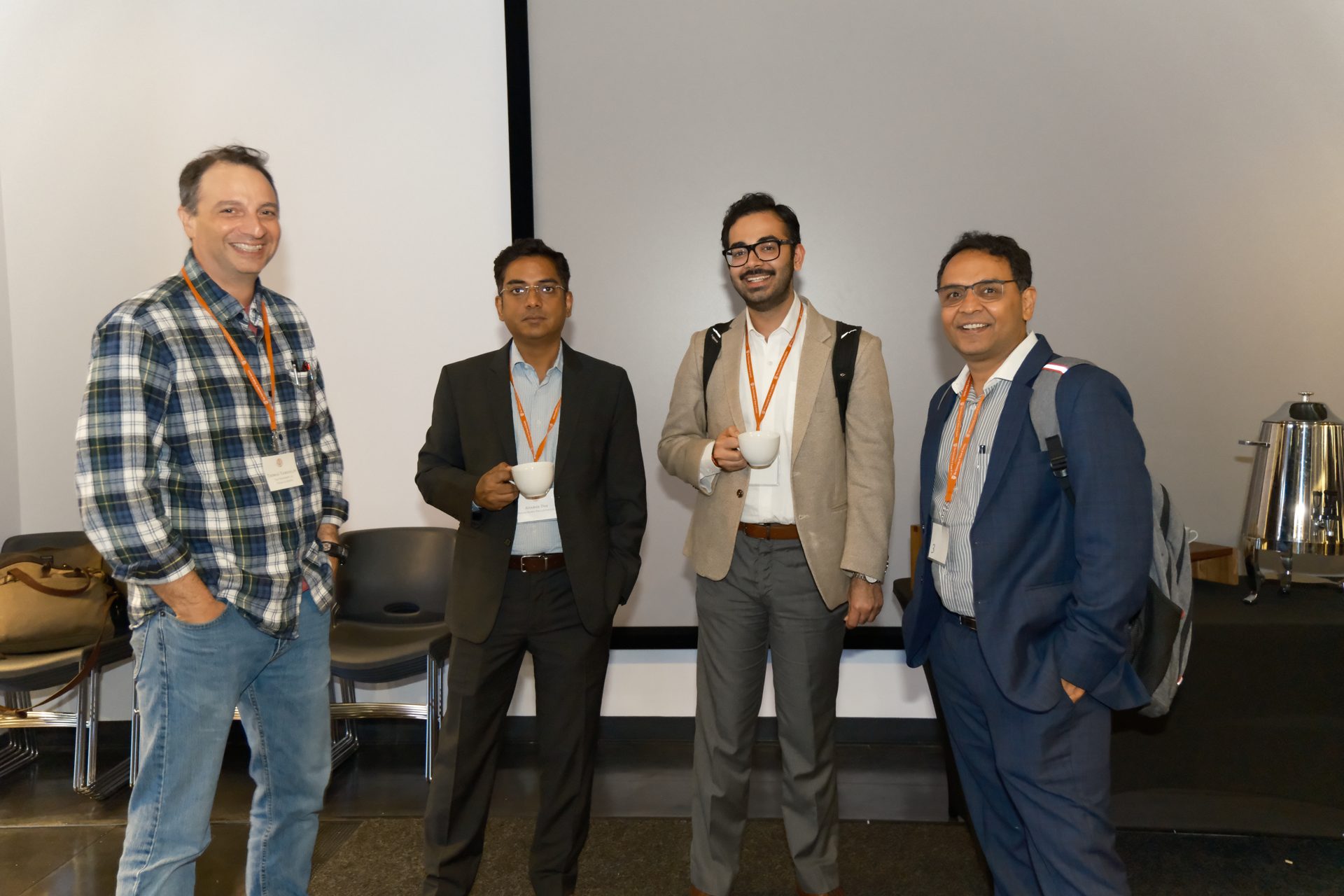
Researchers networking
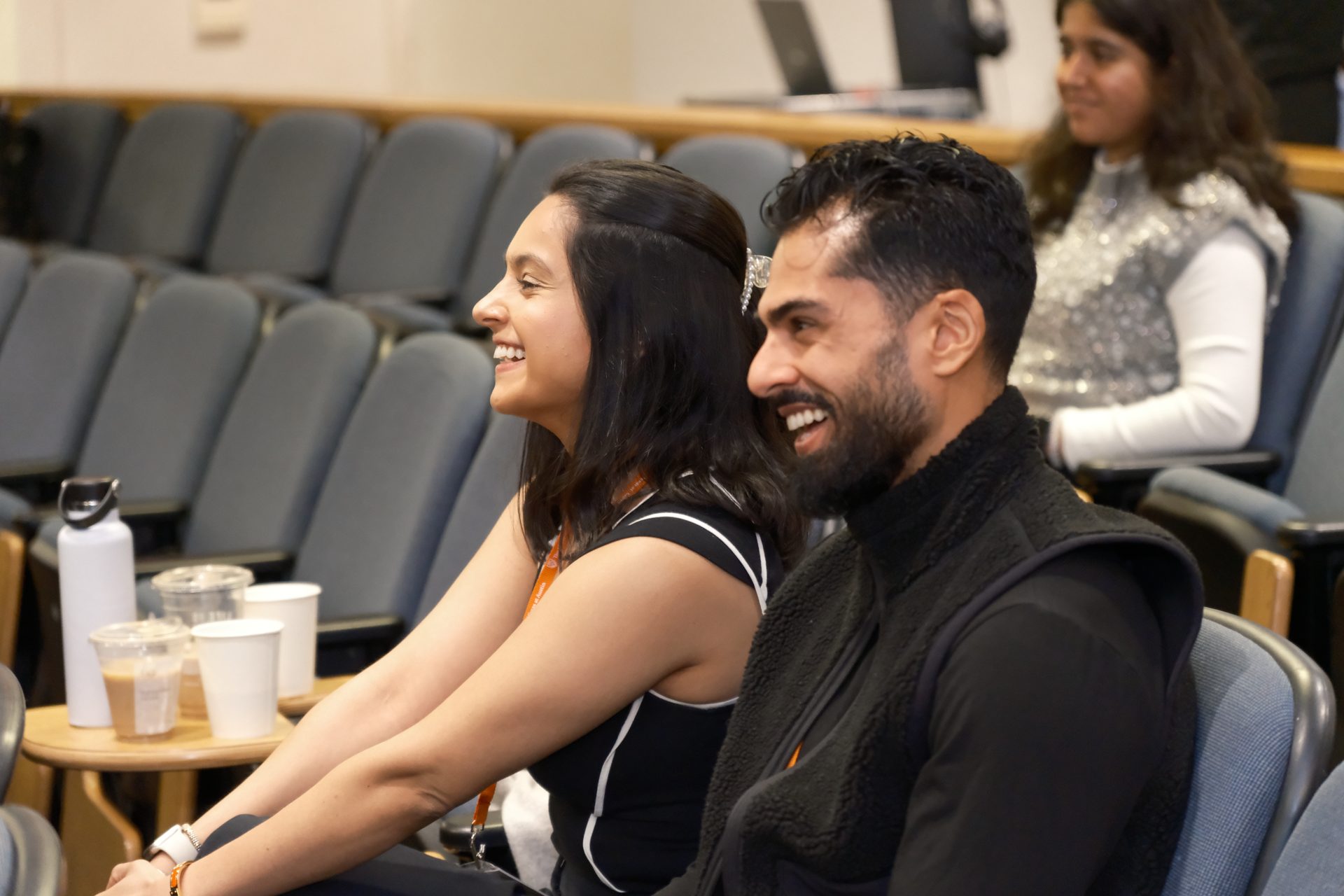
Young attendees
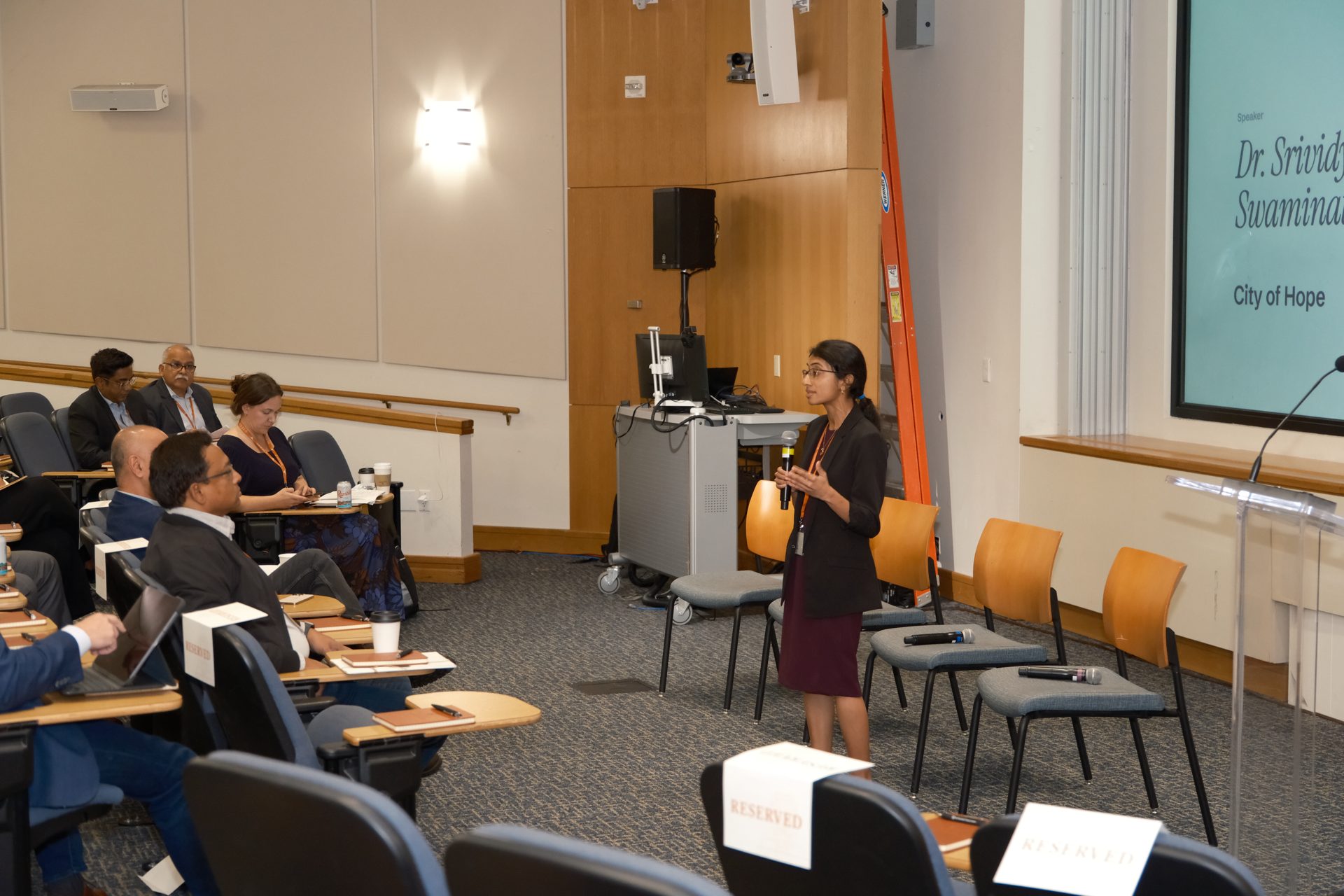
Dr. Srividya presenting
Leadership in action
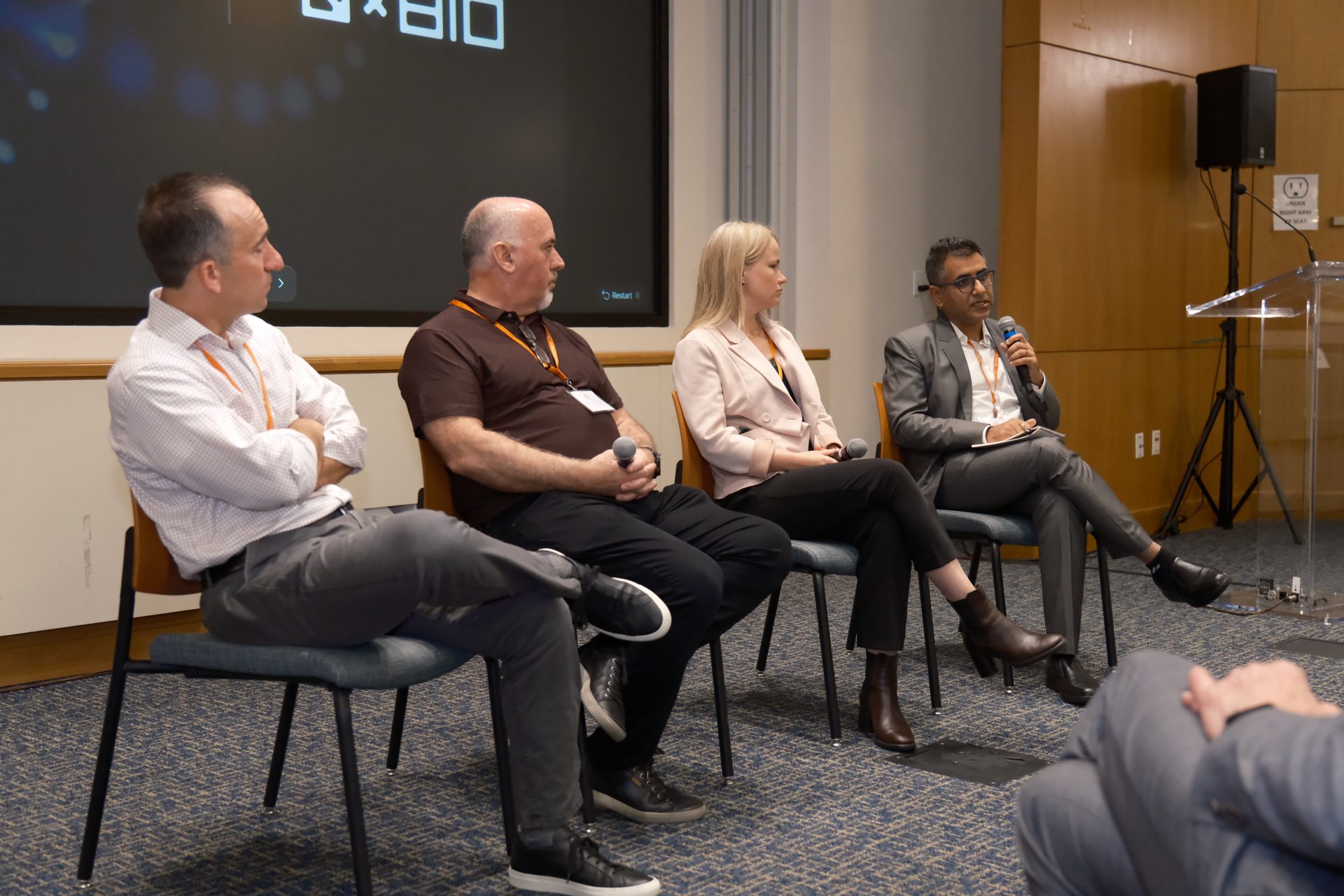
QxBio panel discussion
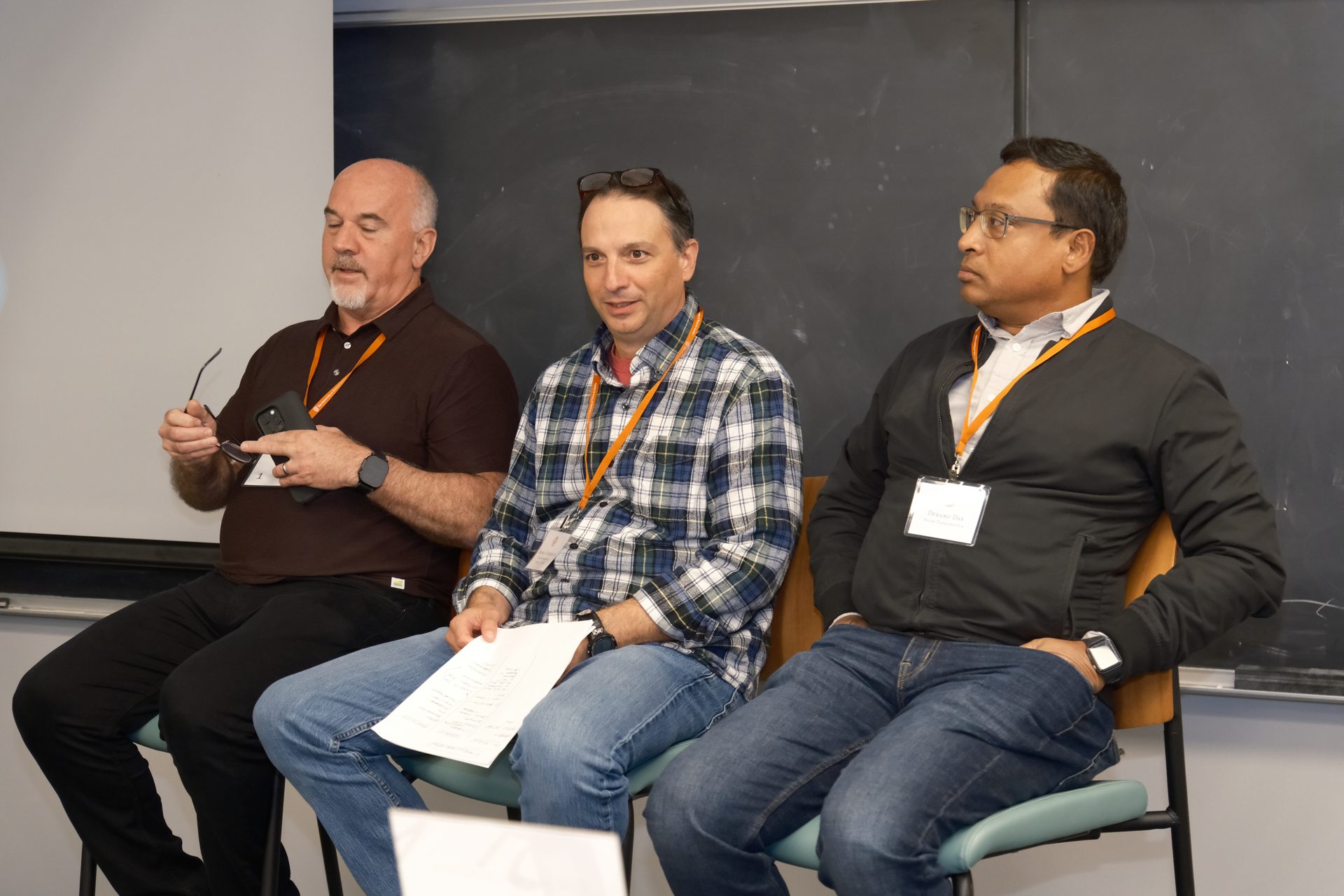
Researchers in discussion