QxBio 2026 — Sep 24–26 · San Jose

Our Work

Discoveries that matter, collaborations that multiply.

We catalyze interdisciplinary research that bridges AI, computation, technology, and natural sciences for real-world impact. By choosing to remain a grant-making institution, our partnerships are the engine of our long-term vision.

Chapter Three · The Approach

Four pillars, one purpose

Every grant, every partnership, every initiative connects back to the same four principles. PHP's model is deliberately designed to close the gap between scientific discovery and human impact.

Advance Science at the Frontier

We fund research in generative AI, deep learning, genome analysis, synthetic biology, and CRISPR — the science that is too interdisciplinary or too early-stage for conventional funding. PHP invests and stays committed long enough for results to emerge.

Bridge the Lab-to-Life Gap

Discovery is not impact. PHP champions the translational research that crosses the gap between laboratory breakthrough and patient outcome — imaging diagnostics moving into clinical trials, computational models informing treatment, tools reaching practitioners.

Invest in the People Science Needs

The most important output of any research institution is not a paper. It is a person. PHP invests through fellowships, postdoctoral support, and international scholarships, with particular attention to talent from underrepresented communities.

Build Scientific Culture from the Ground Up

PHP's K-12 bioinformatics programs and global leadership initiatives are central to its scientific mission. The next major cancer researcher may be in a classroom in Bihar right now. PHP's job is to make sure that when she reaches for the tools, they are there.

Institutional Collaborations

Where the science is being built

Technology AreaPartner Institution
Generative AIStanford Bio-X
Deep Learning in MedicineUT Austin · Dell Medical School
Bioinformatics EducationThe Harker School, San Jose

Research Focus

The science we champion

Generative AI

Image modeling for synthetic cell biology, accelerating drug discovery.

Deep Learning

Protein structure and function prediction for biomarker discovery.

Synthetic Biology

Engineering biological systems for bio-based drug manufacturing.

CRISPR

Precision gene therapy and functional genomics for next-generation health solutions.

Microbiome

Harnessing human microbiota for cancer, autoimmune, and metabolic disease therapies.

Neurodegeneration

Patient-derived disease models opening pathways for BPAN, Alzheimer's, and Parkinson's.

Partnerships

Where our grants go

Each partnership is a strategic investment in science that serves humanity.

Center for Computational Oncology

University of Texas at Austin

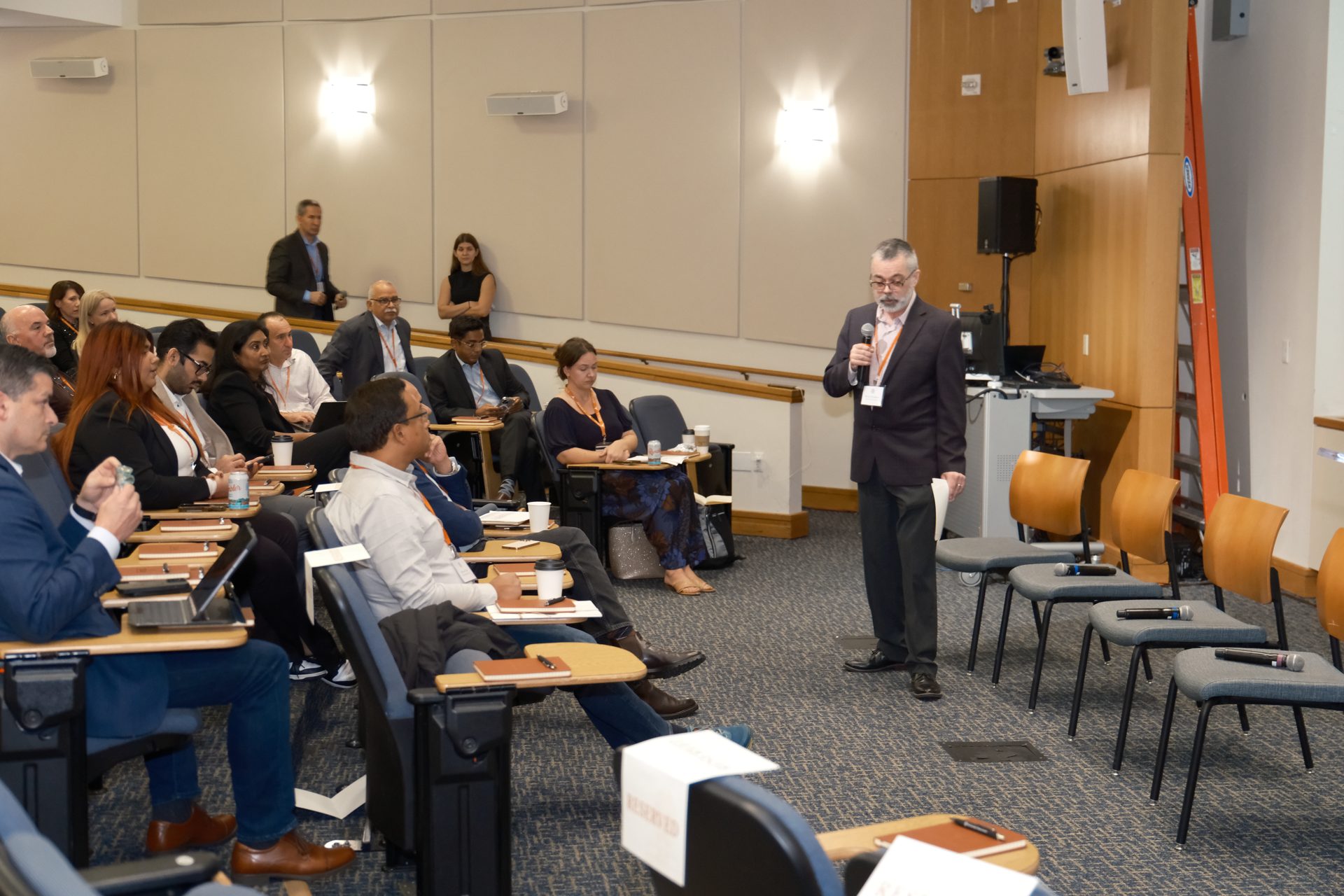
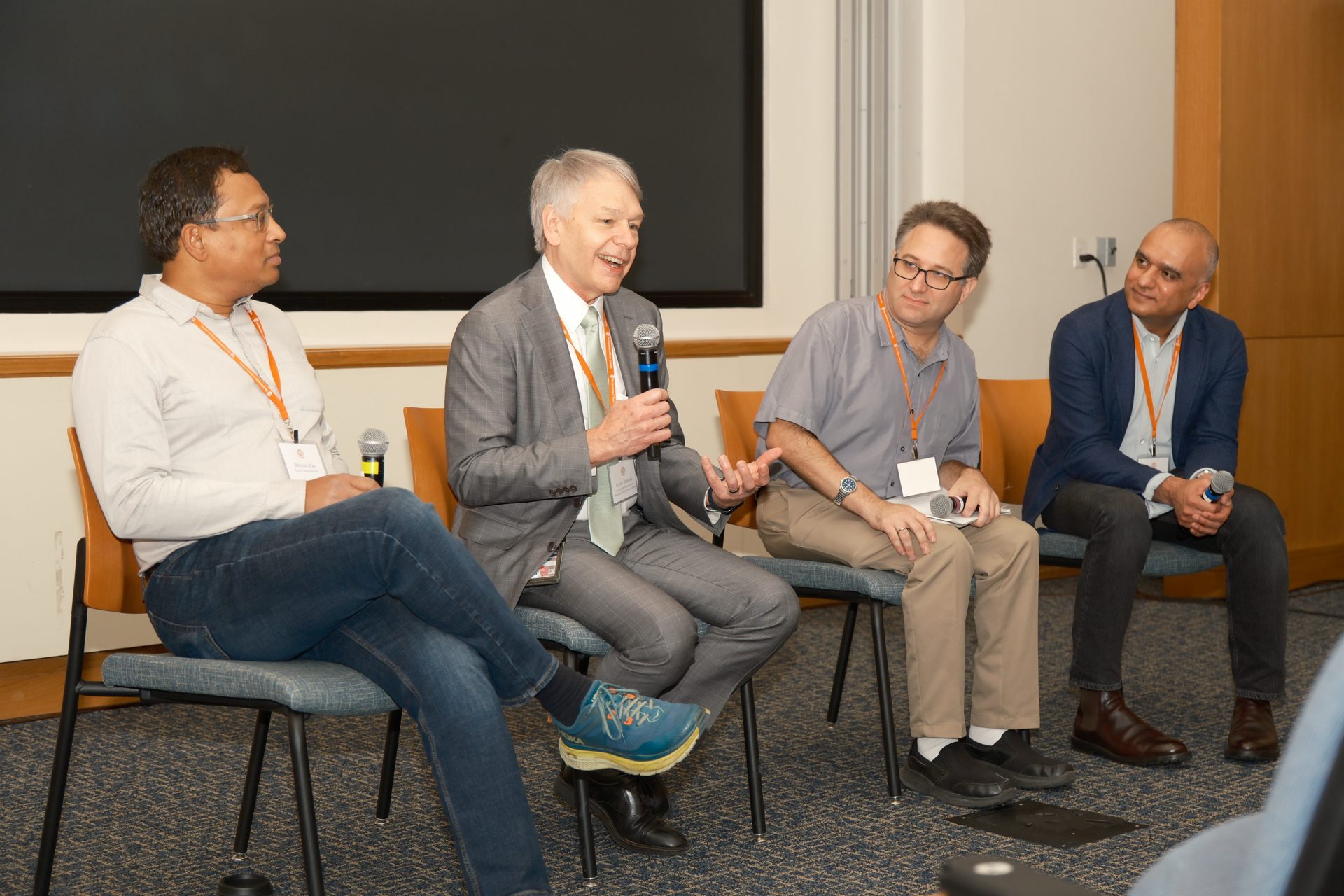
PHP’s founding partnership with UT Austin is a multi-year commitment to build a world-class ecosystem for computational oncology. The collaboration unites the Oden Institute, Dell Medical School, and the Machine Learning Lab to integrate quantitative MRI, mathematical modeling, and AI — generating patient-specific tumor forecasts that can transform clinical decision-making. The impact has been multiplicative, catalyzing significant institutional commitments and validating the foundation’s "Seed and Soil" strategy. Researchers Dr. Thomas Yankeelov and Dr. Karen Willcox have demonstrated digital twin tumor forecasting, while Dr. Adam Klivans debuted the "Stability Oracle" — an AI model predicting mutation-driven protein stability with implications for breast cancer treatment and herpes vaccine development.

Panel discussion at UT Austin

Dr. Michael Fischbach

Stanford — Microbiome Therapies (MITI)

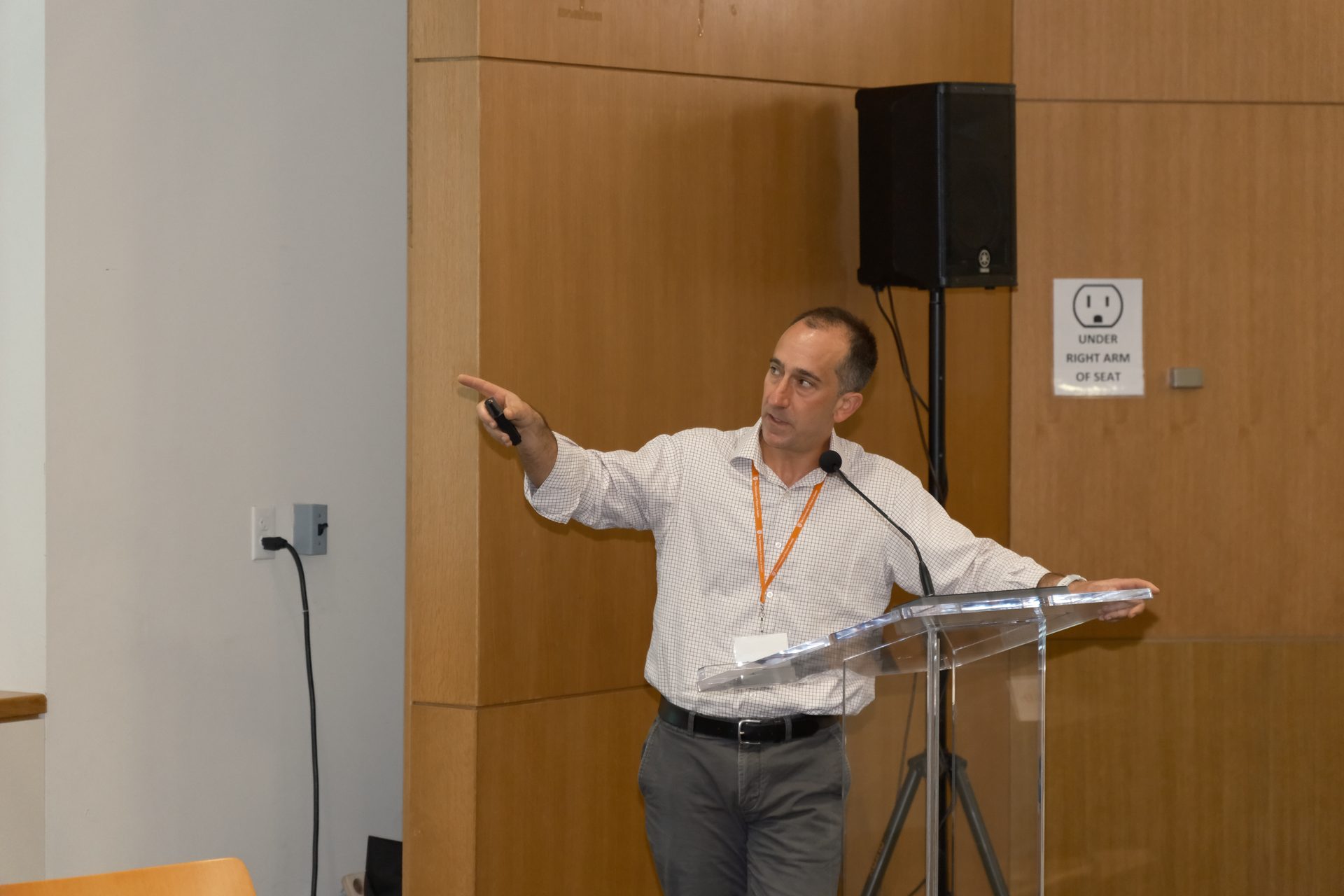
The Microbiome Therapies Initiative is building a new class of "living medicines" — precision-engineered microbial therapeutics designed to replace the imprecision of fecal transplants. Using an AI-driven "Design-Build-Test" pipeline, the team constructs synthetic microbial communities from the ground up. The lead program, MITI-001, has produced a synthetic consortium of 169 human gut bacterial strains. Pilot manufacturing is underway, with an IND submission and Phase 1 clinical trial for IBS targeted next. The pipeline extends into oncology (MITI-101) and infectious disease (MITI-102). The team has established a fully operational in-house cGMP manufacturing facility, securing internal production capabilities.

Dr. Michael Fischbach presenting

Dr. Juliet Knowles

Stanford — Pediatric Neurodegeneration (BPAN)

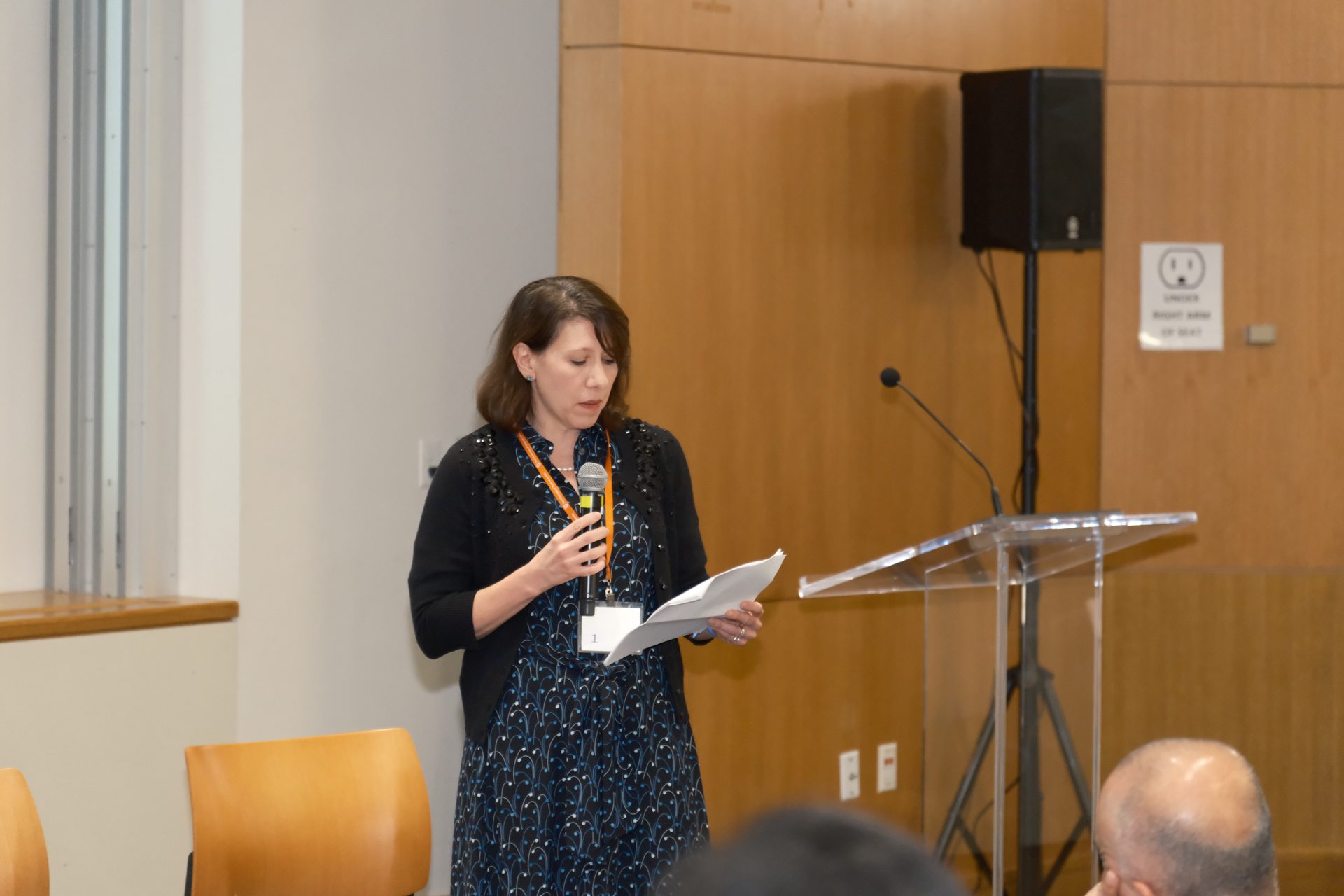
BPAN is a rare pediatric neurodegenerative disease, but its mechanisms overlap with Alzheimer’s and Parkinson’s — making breakthroughs here potentially transformative for millions. Dr. Knowles’ team has confirmed that BPAN shares the core "impaired autophagy" mechanism with adult neurodegeneration, validating the broader relevance of this research. The team is currently screening thousands of compounds using AI-driven proteomics to identify early biomarkers, with the goal of moving from WDR45 loss-of-function to a druggable target that can restore autophagy in affected neurons.

Dr. Juliet Knowles presenting

Dr. Emma Lundberg

Stanford — Generative AI & The Virtual Cell

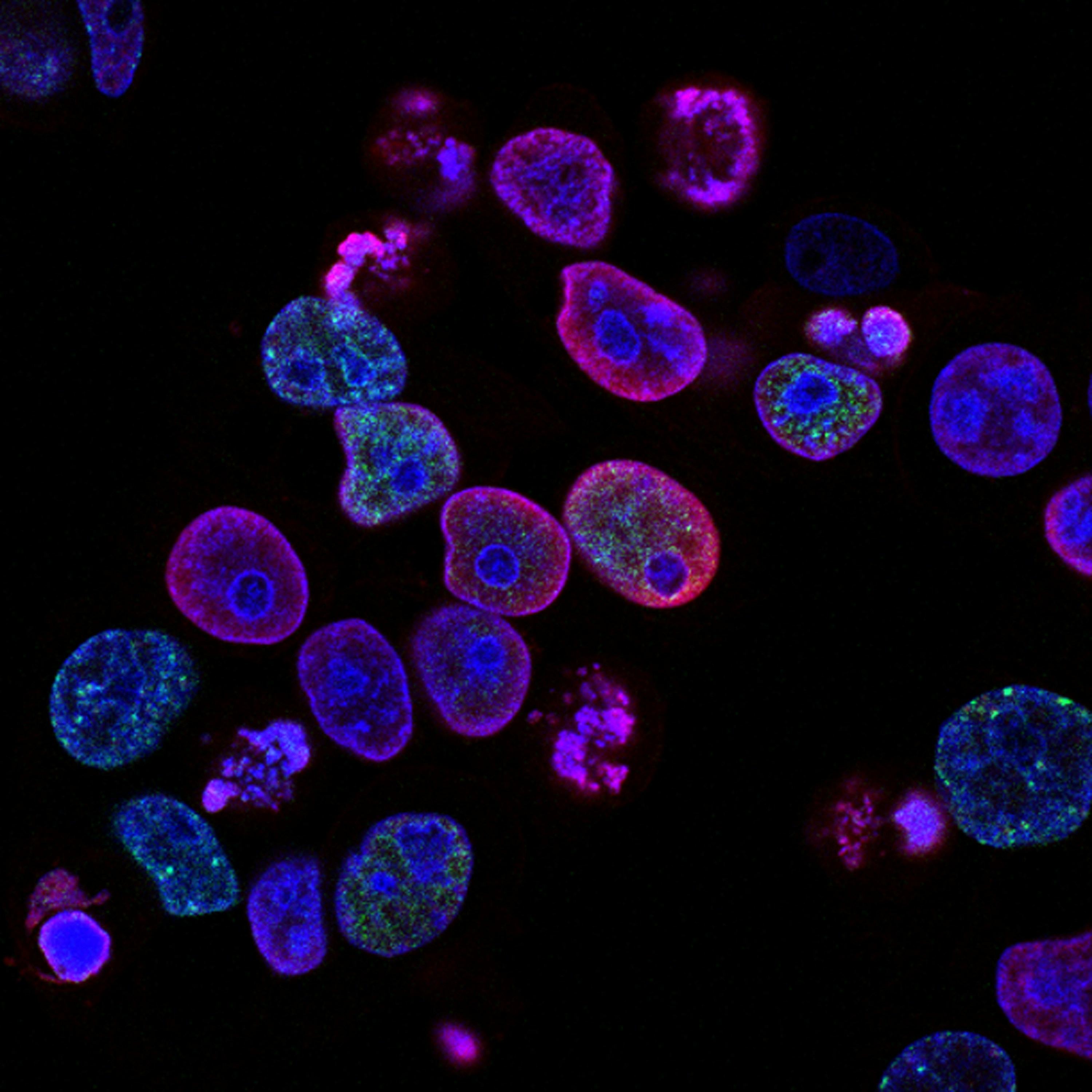
Dr. Lundberg’s work represents the frontier of computational biology: building a spatial virtual cell that enables in-silico drug testing, dramatically reducing discovery time and cost. Using large language models and latent diffusion models, her team predicts protein behavior and cellular organization without wet-lab experiments. Dr. Lundberg was appointed to the Chan Zuckerberg Initiative’s AI Advisory Body, positioning a PHP partner at the table of global AI policy. Her perspective article has been submitted to Cell for its 50-year jubilee issue.

Fluorescence microscopy

Param Hansa Centre for Computational Oncology

IISc Bengaluru — PHCCO

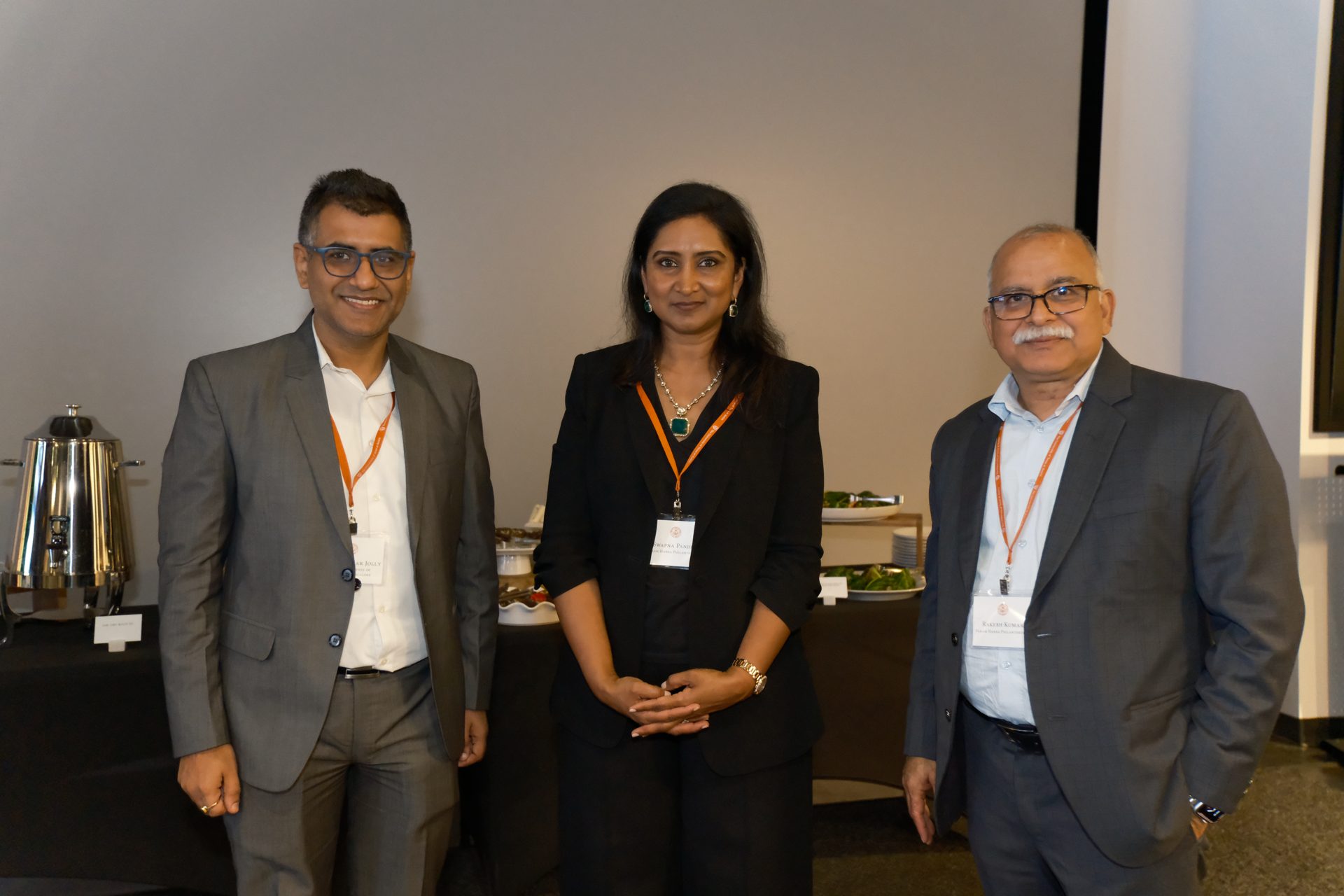
PHCCO is PHP’s flagship initiative in India — a multi-year collaboration to seed and nurture an active community of future leaders in computational oncology. Led by Prof. Mohit Kumar Jolly, the Centre serves as a national "lighthouse" for translational research, combining computational tools with experimental oncology to address cancer metastasis and drug discovery. In 2025, PHCCO published 15 peer-reviewed papers, hosted two Workshops on Computational Oncology for 150 students, and trained 25 undergraduates — including 11 women — in its intensive summer program. Prof. Jolly became the first researcher in India to win the Arthur T. Winfree Prize and was elected Fellow of the Royal Society of Biology.

Mohit Kumar Jolly, Swapna Pandey, and RK

K-12 Bioinformatics & DNA Sequencing

The Harker School

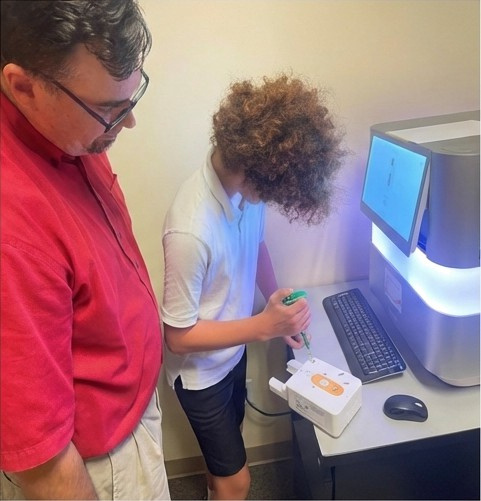
PHP’s partnership with The Harker School in San Jose has created the first high school DNA sequencing program in the United States. The Illumina NextSeq 1000 is fully operational, enabling students to perform university-level genomic research — including RNA sequencing of fruit fly brain tissue and analysis of bioluminescent organism genetics. The curriculum includes an Honors Bioinformatics elective in its second year, alongside the Advanced Research Collective and Chen/Lin Scholar Program. The school hired Terese Navarra, formerly of the CDC and UCSF, to bring institutional-level rigor to the classroom.

Harker students using DNA sequencing equipment

Global Leadership & AI Literacy

Aspire Institute

Aspire Institute develops the next generation of global leaders from underserved communities through AI-integrated skill-building. The institute has grown to 71,000+ alumni across 190+ countries, drawn from over 500,000 applicants. In October 2025, it launched the AI Integrated Leadership Program (AILP) — an 8-week intensive taught by C-suite executives and industry experts. Across all cohorts, 48% of participants are women.

Mark from Aspire Institute presenting

Also Supporting

Education & community impact

OSAAT

Foundation for Excellence

Supporting 32 scholars from rural backgrounds with full funding for engineering and medical education.

OSAAT

One School At A Time

Strengthening government school infrastructure in remote areas of India, with a focus on Bihar. Serving 300 students and 10 teachers.

Heart to Heart

Heart to Heart Foundation

Free medical education for meritorious but financially constrained children, and pediatric heart surgery for children with congenital heart disease.

Strategic Trajectory · 2025 – 2028

Five focus areas, one direction

The early investments are compounding. The partnerships have reached scale. PHP's next three years are organised around five commitments.

FA 1

Cancer & Life Sciences

  • Modeling and Pipelines

    Expand metastasis modeling; advance pipelines targeting microbiome therapies and neurodegeneration.

  • India-Based Expansion

    Launch dedicated grants in India to support localized life-science breakthroughs for Indian patients.

FA 2

Translational Research

  • 5+ New Partnerships

    Build at least five new strategic collaborations bridging laboratory research and real-world clinical application.

  • Institutional Strengthening

    Focused support for Tier 2 and Tier 3 research institutions currently underserved by major philanthropy.

FA 3

Experimental–Computational Synergy

  • Open-Source Toolkits

    Launch accessible digital toolkits making PHP's computational biology tools available to researchers globally.

  • Virtual Cell Modeling

    Advance virtual cell model development; foster AI–biology interdisciplinary fellowships.

FA 4

New Frontiers in Healthcare

  • 100+ Pediatric Surgeries

    Fund and support over 100 essential surgeries for children who would not otherwise have access to care.

  • Rural Infrastructure

    Invest in health infrastructure to serve marginalized rural populations in India.

FA 5

Education and Mentorship

  • 100+ Scholars Reached

    Scale fellowships and internships to support a community of over 100 scholars across PHP's partner institutions.

  • School-Based Genomics

    Expand the Harker School model to additional institutions across the US and India.